Description
Inside this edition · 內頁樣張
A chapter opening and two pages from the body of the book. Reproduced from the PDF you receive after purchase.
关于此本 · About this edition
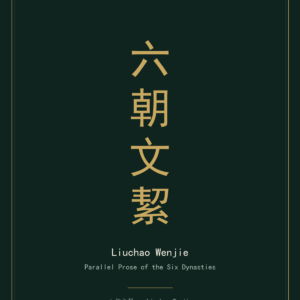
《骈体文钞》,清李兆洛编,三十一类,分上中下三编。李氏之意,在以选文立论:骈体非晚出之靡靡,乃文章之古法,故断自秦刻石,沿流而下。读此书者,可以听见汉语在每一句都须与前句相答时的声音——这也是后来一切公文的底色。
Li Zhaoluo edited this collection to argue a point: that parallel prose is the older of the two traditions, not a late decadence. He therefore begins with the stone inscriptions of the Qin and works forward through 31 genres to memorials of his own century. The value is practical — it shows how Chinese prose sounds when every clause must answer the one before it.
内容 What you get
- 三编三十一类全 — three divisions, 31 genres complete
- 李兆洛自序、吴育序全录 — both prefaces printed in full
- 篇题居中,括注出处另排 — titles centred, source notes in brackets
- 内嵌文本层,可全文检索、可复制 — selectable text, searchable and copyable
底本与权利 Source and rights
底本为「殆知阁」公版古代文献库所藏标点本之转录,属公有领域。版式、封面与说明文字为本店自制。
The base text is a public-domain punctuated transcription from the Daizhige corpus. The typesetting, cover and notes are ours.
注釋 · Editorial notes
编次 三编依原次,各编之内以类相从,类各标卷。
括注 底本于篇题后以括号引《史记》《汉书》述其本事,本书保留括号,与正文区别。
篇题 「作者+篇名」抽出居中,正文另起。
字 简体;残字已剔。
Divisions and genres in the source order. Where the source cites the Shiji or Hanshu in parentheses after a title to explain the occasion, the parenthesis is kept so it is not read as text. Simplified characters.